
Tibetan Book of The Dead: They Mapped The ENTIRE Afterlife | Prof. Robert A.F. Thurman
watch
INTRODUCTION
Despite its famous title, The Tibetan Book of the Dead is not actually about death. According to Buddhist scholar Robert A.F. Thurman, the name itself is misleading. The original Tibetan text is closer in meaning to “The Book of Natural Liberation”—a guide designed to help consciousness recognize its true nature during moments of transition.
In a wide-ranging conversation on the Inspired Evolution podcast, Thurman unpacks the deeper teachings behind this ancient text. Rather than presenting death as a final ending, Tibetan philosophy frames it as one stage in a much larger continuum of awareness.
The conversation explores profound themes: the nature of death, the six bardos (transitional states of consciousness), karma as an evolutionary force, the fear of dying, and the remarkable inner sciences developed in Tibetan Buddhist traditions. Together, these teachings offer a radical reframe: death is not something to fear but something to understand.
Subscribe On



Rethinking Death — A Doorway, Not an Ending
One of Thurman’s most striking ideas is that death itself is not a place we go. It is simply a transition.
He describes death as a doorway between rooms. The door itself is not frightening—what we fear is the unknown on the other side. Much of humanity’s anxiety around death arises from this uncertainty. Without a framework for understanding what happens after life ends, the imagination fills the gap with fear.
The Tibetan teachings approach the problem differently. Instead of avoiding death, they study it carefully. The goal is not morbid curiosity but clarity. If we understand the stages of dying and what follows, the transition becomes less mysterious and less frightening.
Thurman also challenges the idea that death is the ultimate escape into nothingness. In the Tibetan view, consciousness does not simply vanish. Rather, awareness continues to move through different states, shaped by the patterns and habits we cultivated during life.
This perspective transforms the meaning of living. If consciousness carries forward, then the quality of our actions, intentions, and relationships becomes deeply significant. Our lives become part of a much larger evolutionary journey.
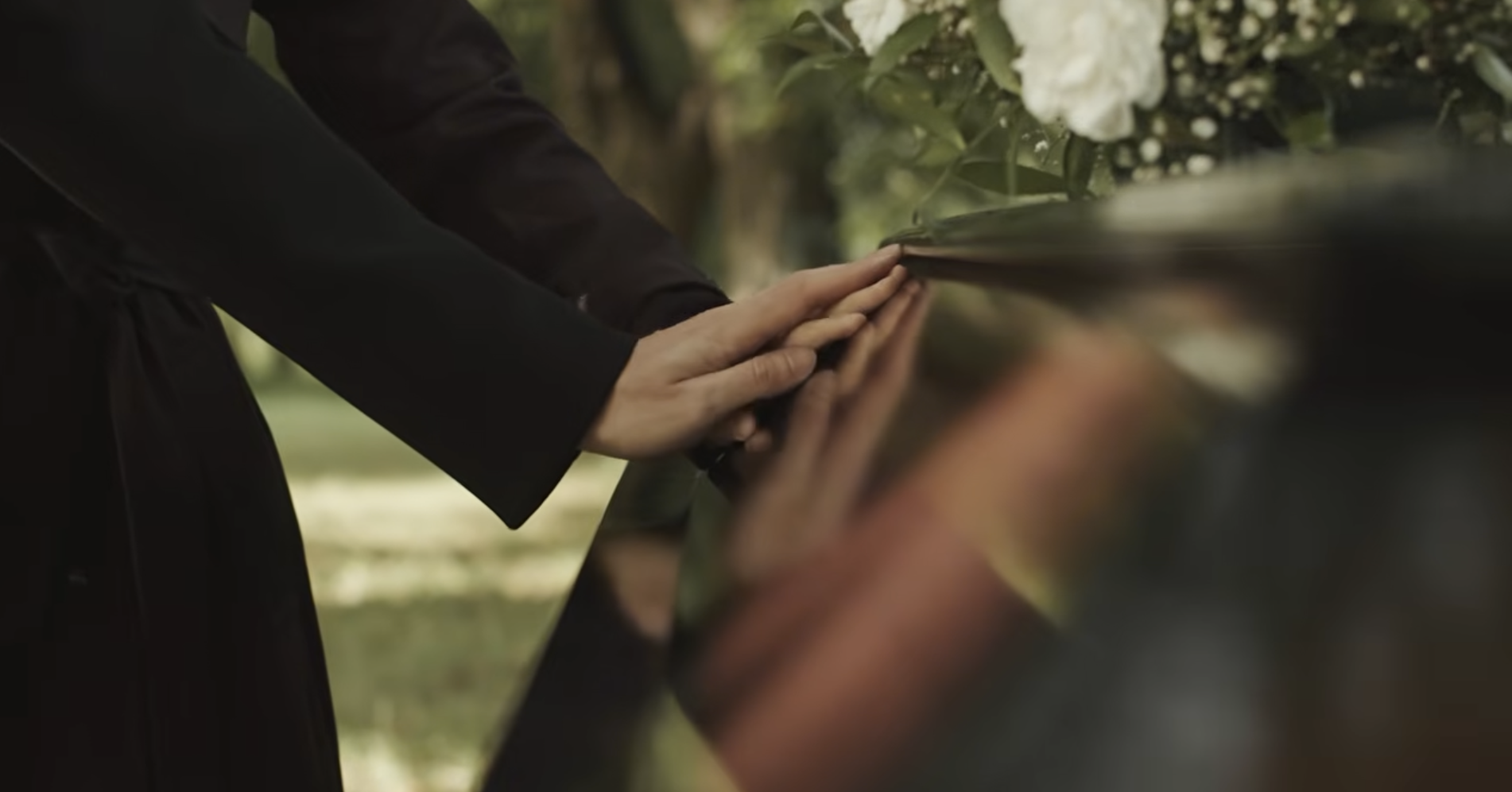
The Bardos — The Six Transitional States of Consciousness
Central to The Tibetan Book of the Dead is the concept of the bardo, a Tibetan word meaning “in-between state.” While many people assume bardos only occur after death, Tibetan philosophy describes six bardos that unfold throughout existence.
The Bardos of Life
The first three bardos occur while we are alive.
The Bardo of Life is the state we inhabit from birth until death. Life itself is already a transition between two unknowns.
The Bardo of Dream occurs when we sleep. Each night we release our grip on waking consciousness and enter the dream world. In Tibetan practice, dreaming becomes an opportunity to explore awareness in subtle states.
The Bardo of Meditation arises when the mind moves beyond ordinary distraction into deeper awareness. Meditation trains the mind to remain calm and present, preparing us for the more dramatic transitions that come later.
The Bardos of Death
The remaining three bardos occur during and after physical death.
The Bardo of Dying marks the moment when the senses and physical elements dissolve. This stage offers a powerful opportunity for liberation if awareness remains calm and clear.
The Bardo of Reality (Dharmata) follows, described as an experience of radiant, luminous awareness. For someone unfamiliar with this state, it can feel overwhelming. For a trained practitioner, it may be recognized as the true nature of consciousness.
The Bardo of Becoming occurs if liberation is not recognized in the previous stages. In this phase, consciousness begins moving toward rebirth, guided by habit, intention, and unresolved karma.
In this way, the bardos reveal that the states we experience after death are closely connected to the states we experience during life. Learning to navigate waking, dreaming, and meditation prepares us for the larger transitions of existence.
Karma, Evolution, and the Nature of Consciousness
Thurman emphasizes that the teachings of karma are often misunderstood. Karma is not a cosmic system of reward and punishment. Instead, it is a natural process of evolution through action.
Every thought, word, and behavior shapes the trajectory of consciousness. Just as physical habits influence our health, mental and emotional habits shape the direction of our awareness across time.
In this sense, ethical living becomes a form of spiritual evolution. Small choices—acts of kindness, restraint, and compassion—gradually transform consciousness.
Thurman also connects these ancient insights to modern scientific curiosity about the nature of reality. Concepts such as emptiness in Buddhist philosophy do not refer to nothingness but to a dynamic openness from which all forms arise. This “pregnant emptiness” resembles the mysterious energetic field that physicists now explore in modern cosmology.
From this perspective, enlightenment does not mean escaping the world. Instead, it involves recognizing that our individual lives exist within a vast, interconnected field of consciousness. We are both finite beings and expressions of something infinite.
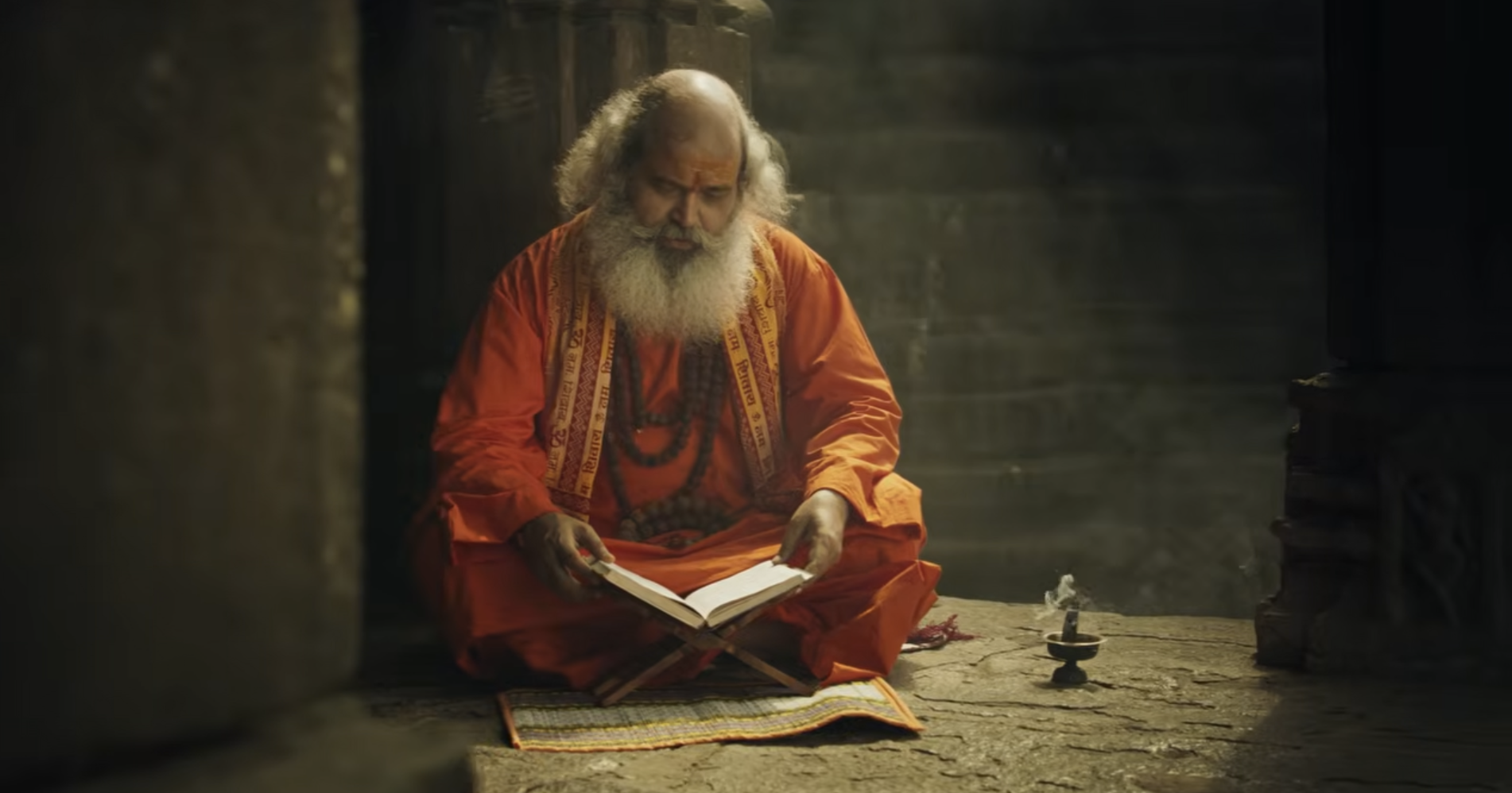
Key Takeaways
The Tibetan Book of the Dead is fundamentally a guide to liberation, not a manual about death.
Death is viewed as a transition rather than an ending of consciousness.
The Tibetan tradition describes six bardos—three during life and three during the dying process.
Meditation, dreaming, and daily awareness are practices that prepare us for the deeper transitions of death.
Karma represents evolutionary growth through intentional action rather than punishment.
Ethical choices and compassion are not just moral ideals—they shape the evolution of consciousness.
Enlightenment involves recognizing the unity between our finite human life and the infinite nature of awareness.
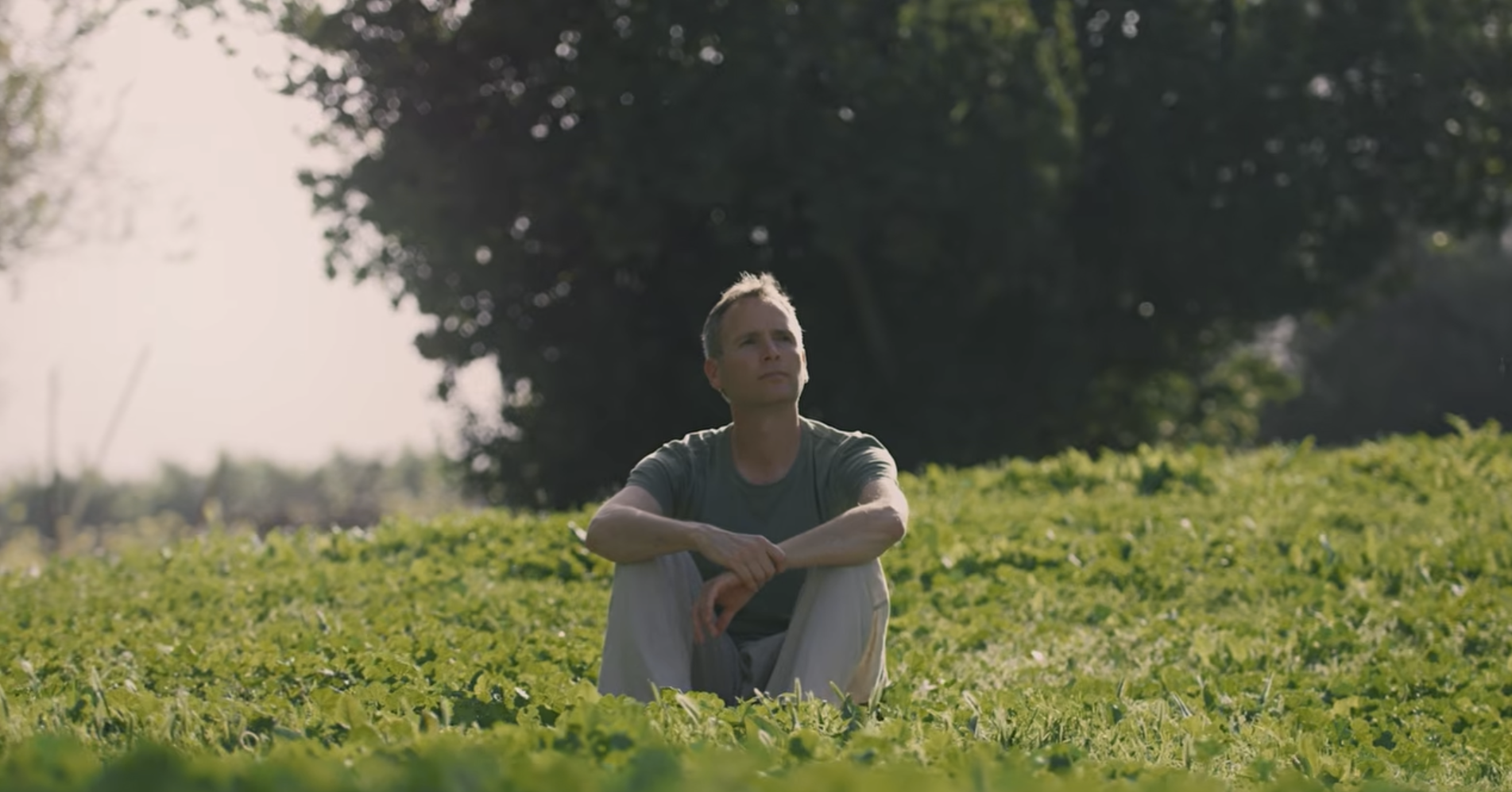
Conclusion
The teachings explored in The Tibetan Book of the Dead offer a powerful reframe of one of humanity’s deepest fears. Rather than treating death as a final disappearance, the text invites us to see it as part of a continuous journey of awareness.
Through the lens of Tibetan philosophy, life itself becomes preparation. Each moment of mindfulness, each act of compassion, and each insight into the nature of consciousness becomes a step along a much longer evolutionary path.
Ultimately, the message of these teachings is not about death at all. It is about liberation—the recognition that within the finite experience of being human lies a connection to something vast, luminous, and enduring.
Seen in this light, the real purpose of studying death is simple: it helps us live more fully, more wisely, and more compassionately while we are here.
Related Resources
🌿 Join The Circle → inspiredevolution.com/circle
Weekly, live guided meditations, Q&As with podcast guests, and community connection. Join the movement today.
📚 Explore Dr. Suhas Kshirsagar’s teachings → ayurvedichealing.net
Learn more about Ayurvedic lifestyle medicine and personalized healing approaches.
🌀 Ground Yourself Naturally → Shop the full Earthing® catalog and use code INSPIRE to save 10%.
Stay Inspired, Keep Evolving,
Amrit

did you enjoy this episode?
please leave a review on


