
#1 DMT Scientist: BANNED Research, Biblical Prophecy & the CIA | Dr. Rick Strassman
watch
INTRODUCTION
What happens in the brain during our most profound mystical experiences?
For psychiatrist and researcher Dr. Rick Strassman, that question has shaped decades of work spanning neuroscience, psychedelic research, Buddhism, Judaism, and the study of ancient prophetic experiences.
In the 1990s, Dr. Strassman conducted groundbreaking government-approved research administering DMT to human volunteers at the University of New Mexico. In this conversation on the Inspired Evolution Podcast, he explores what that research taught him about altered states of consciousness, the body's own production of DMT, the pineal gland, and the intriguing parallels he sees between psychedelic experiences and descriptions of prophecy in the Hebrew Bible.
Subscribe On



EXPLORING DMT AND THE MYSTICAL MIND
DMT, or dimethyltryptamine, is a powerful psychedelic compound that also occurs naturally within the body.
Dr. Strassman's interest in DMT grew out of his earlier research into the pineal gland, a small structure located near the center of the brain. Historically, the pineal gland has attracted both scientific and philosophical interest, including René Descartes' famous description of it as the "seat of the soul."
Initially, Strassman investigated whether melatonin, one of the pineal gland's best-known hormones, might help explain altered or mystical states. His research eventually led him toward DMT and the possibility that naturally occurring—or endogenous—DMT could play a role in extraordinary states of consciousness.
This distinction between endogenous and externally administered DMT became important to his later thinking.
Strassman has explored the hypothesis that changes in the body's own DMT activity could potentially accompany experiences such as near-death states or profound visions. Research has detected DMT in mammalian brains and observed changes under certain experimental conditions, but its precise function in human consciousness remains an open scientific question.
His famous description of DMT as the "spirit molecule" therefore reflects both the extraordinary experiences reported during his research and his continuing curiosity about what role the compound might naturally play in the brain.
FROM PSYCHEDELIC RESEARCH TO BIBLICAL PROPHECY
Strassman's investigation eventually moved beyond neuroscience into a much older source of extraordinary human experiences: religious texts.
His own spiritual journey played an important role in this transition.
After early psychedelic experiences showed him how dramatically consciousness could change, Strassman spent more than two decades studying Zen Buddhism. Meditation offered him a disciplined way of exploring consciousness without relying on substances.
Later, after tensions developed between his psychedelic research and his Buddhist community, he returned to the Jewish tradition in which he had been raised. He began studying Kabbalah and eventually learned ancient Hebrew so he could engage directly with the Torah and its commentaries.
This led to an unusual question:
Could naturally occurring changes in brain chemistry have accompanied the visionary experiences described by biblical prophets?
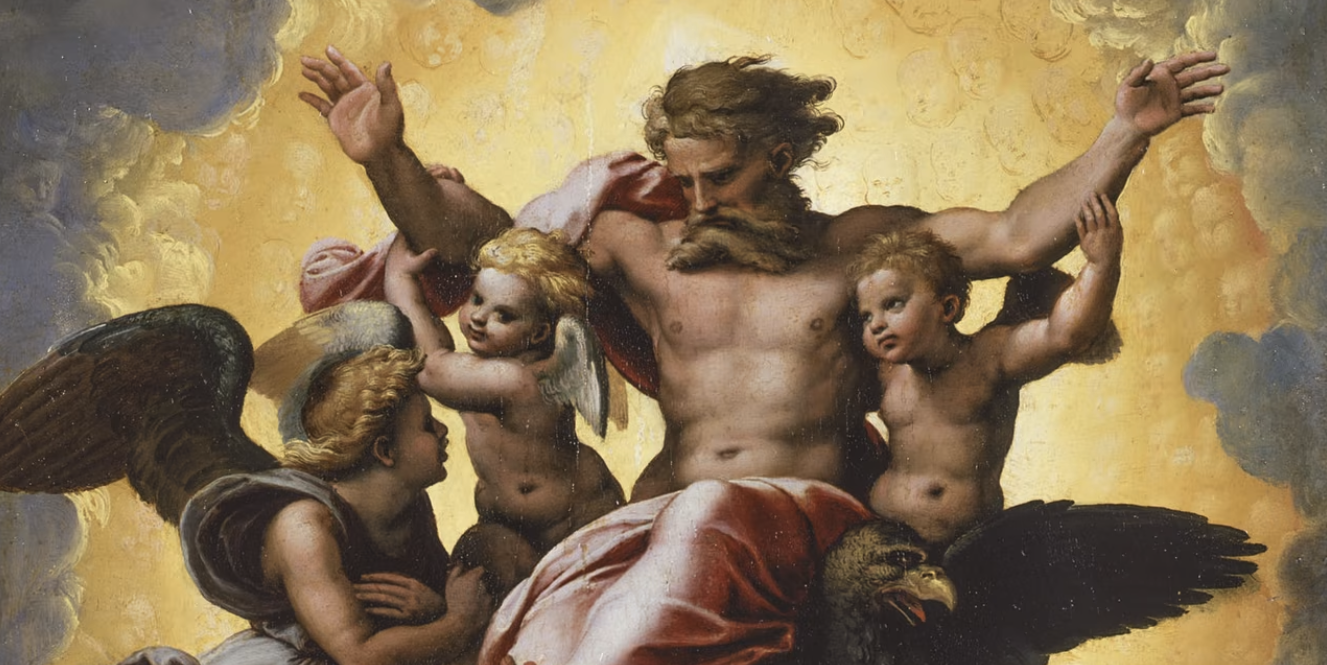
Strassman points particularly to prophets such as Ezekiel, Zechariah, and Daniel, whose experiences include vivid imagery, overwhelming light, unusual beings, and complex visionary environments.
He doesn't argue that biblical prophets were consuming psychedelic substances. Instead, he considers whether endogenous DMT could have provided a biological mechanism capable of supporting such visionary states.
For Strassman, however, explaining a possible biological mechanism doesn't necessarily explain the meaning or source of the experience itself.
The brain may help create the conditions through which an experience is perceived, while questions about what that experience ultimately represents remain philosophical, theological, and scientific questions worth exploring.
A GLIMPSE IS NOT THE SAME AS TRANSFORMATION
Perhaps one of the most practical lessons from Strassman's journey is the distinction between having an extraordinary experience and actually being transformed by it.
His own early psychedelic experiences demonstrated that consciousness was far more flexible than he had previously imagined.
But a glimpse of another state of awareness doesn't automatically create lasting wisdom.
That realization helped lead him toward meditation and disciplined spiritual practice.
Strassman contrasts different kinds of mystical experiences as well. Buddhist enlightenment is often described through ideas of formlessness or unity, while biblical prophecy tends to contain specific imagery, language, and messages.
Rather than assuming every mystical state represents the same phenomenon, he believes their differences deserve careful attention.
This same curiosity shapes his approach to psychedelic research today.
Although he helped reopen clinical investigation into psychedelics, Strassman remains cautious about treating these substances as universal solutions. He emphasizes the importance of appropriate screening, clinical supervision, and integration, particularly given the psychological risks some individuals may face.
Ultimately, his work encourages curiosity without abandoning discernment.
Extraordinary experiences can open important questions.
But understanding what those experiences mean—and allowing them to positively influence how we live—requires something more than the experience itself.
Key Takeaways
DMT is a psychedelic compound that also occurs naturally within the body.
Dr. Strassman's clinical DMT studies helped reopen psychedelic research in the United States after a decades-long pause.
His early interest in altered states began with research into the pineal gland and melatonin.
The precise role of naturally occurring DMT in human consciousness remains an open scientific question.
Strassman has explored whether endogenous DMT could contribute to extraordinary visionary states.
His decades of Zen Buddhist practice influenced how he understands the difference between temporary experiences and lasting transformation.
Returning to Judaism led him to study ancient Hebrew, Kabbalah, and biblical accounts of prophecy.
He sees intriguing parallels between certain DMT experiences and the vivid visions described by biblical prophets.
Strassman remains cautious about psychedelic use outside appropriately supervised settings.
His work encourages curiosity about consciousness while maintaining a clear distinction between scientific evidence, spiritual interpretation, and speculation.
Conclusion
Dr. Rick Strassman's work sits at an unusual intersection between neuroscience and spirituality.
His research into DMT opened new possibilities for studying some of the most mysterious states of human consciousness, while his later exploration of Buddhism, Judaism, Kabbalah, and biblical prophecy expanded the questions even further.
Can brain chemistry help explain mystical experiences?
Could biological processes and spiritual meaning coexist rather than compete?
And what can ancient descriptions of extraordinary consciousness teach us about experiences researchers are only beginning to investigate scientifically?
Strassman doesn't offer simple answers to these questions.
Instead, his journey demonstrates the value of remaining curious enough to explore them while disciplined enough to distinguish evidence from speculation.
Perhaps that's the larger lesson of his work: follow the questions that genuinely matter, examine the evidence carefully, and remain open to where the investigation leads.
Related Resources
🌿 Join The Circle → inspiredevolution.com/circle
Weekly, live guided meditations, Q&As with podcast guests, and community connection. Join the movement today.
📚 Explore Dr. Suhas Kshirsagar’s teachings → ayurvedichealing.net
Learn more about Ayurvedic lifestyle medicine and personalized healing approaches.
🌀 Ground Yourself Naturally → Shop the full Earthing® catalog and use code INSPIRE to save 10%.
Stay Inspired, Keep Evolving,
Amrit
did you enjoy this episode?
please leave a review on


