
Spiritual Awakening Through Direct Experience with Paramahamsa Vishwananda
watch
INTRODUCTION
Spiritual awakening is often portrayed as something we learn. Yet across mystical traditions, awakening happens not through belief or theory, but through direct experience.
Paramahamsa Vishwananda shares the pivotal moments that shaped his spiritual life. From childhood encounters with Mahavatar Babaji, to entering a three-day state of samadhi during his first meditation, and witnessing miracles that continue to this day.
Beyond the extraordinary events, this story carries deeply practical wisdom about humility, suffering, intuition, karma, and the courage it takes to live authentically.
Subscribe On



Awakening Through Experience, Not Knowledge
Paramahamsa Vishwananda’s spiritual journey did not begin with seeking, study, or spiritual ambition. Growing up in Mauritius, his childhood was rooted in simplicity, playing outdoors, surrounded by nature, temples, and community.
A life-altering moment occurred after he accidentally consumed poisonous seeds and was hospitalized. While recovering, he encountered a mysterious man who appeared physically among the children, offering sweets and kindness. The man asked him a question that would echo throughout his life:
“Do you know who you are?”
The man then invited him to look beyond the visible world. What appeared was a radiant sphere of light surrounded by a halo, accompanied by an inner knowing:
“That is you.”
Only years later did Paramahamsa Vishwananda understand this being to be Mahavatar Babaji, the immortal yogi known through yogic tradition. At the time, he perceived him simply as “an uncle.”
This encounter introduced a central teaching of his path:
We are not merely the body or the mind
We are atma - a living divine spark
Experience awakens the soul before knowledge arrives
Rather than building spirituality through concepts, this path reveals truth through lived realization.
Samadhi, Consciousness, and the Return to Wonder
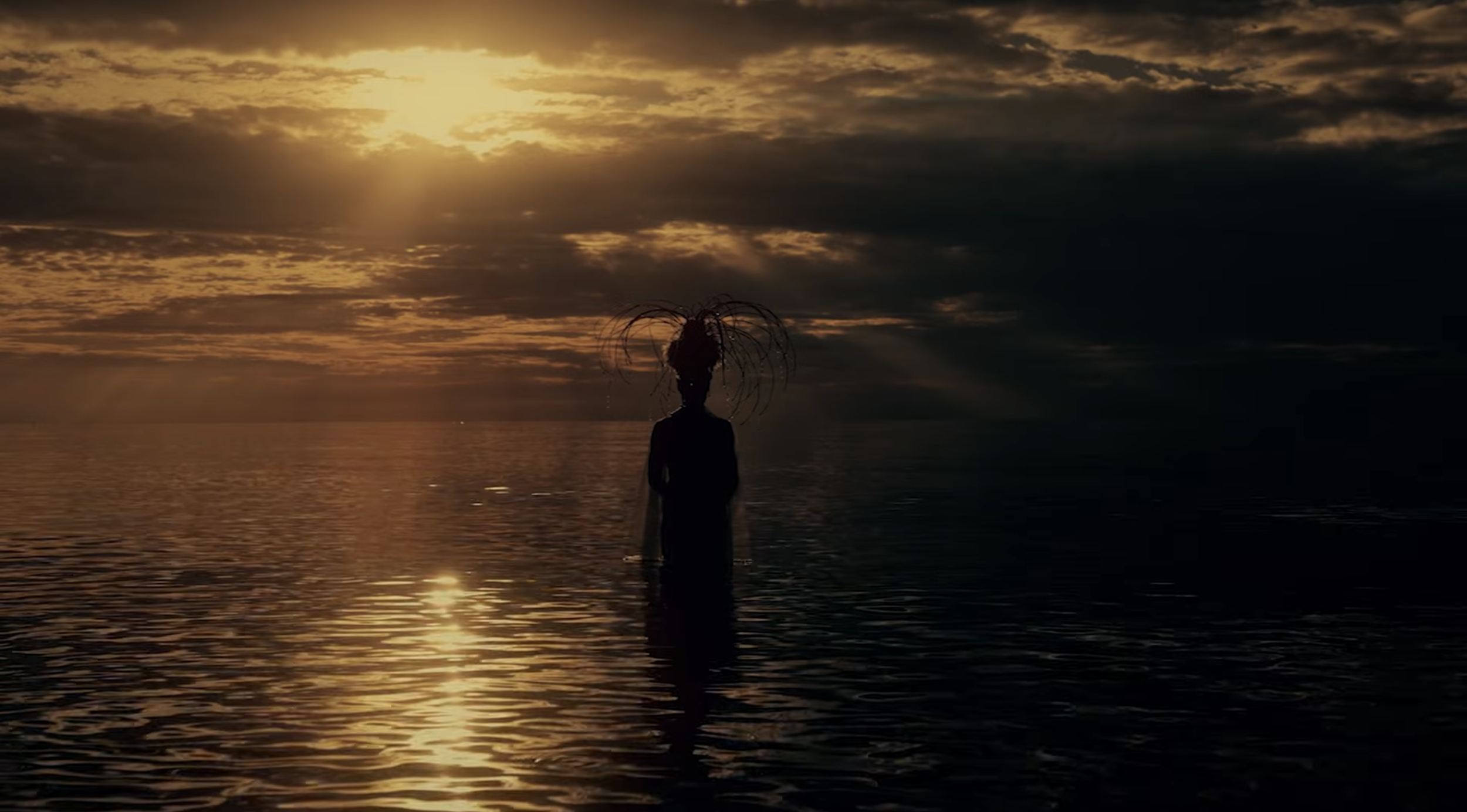
At the age of fourteen, Paramahamsa was asked by an aunt to meditate. Without expectation or technique, he entered an extraordinarily deep state of consciousness.
In that state, awareness expanded beyond the body and mind. He experienced:
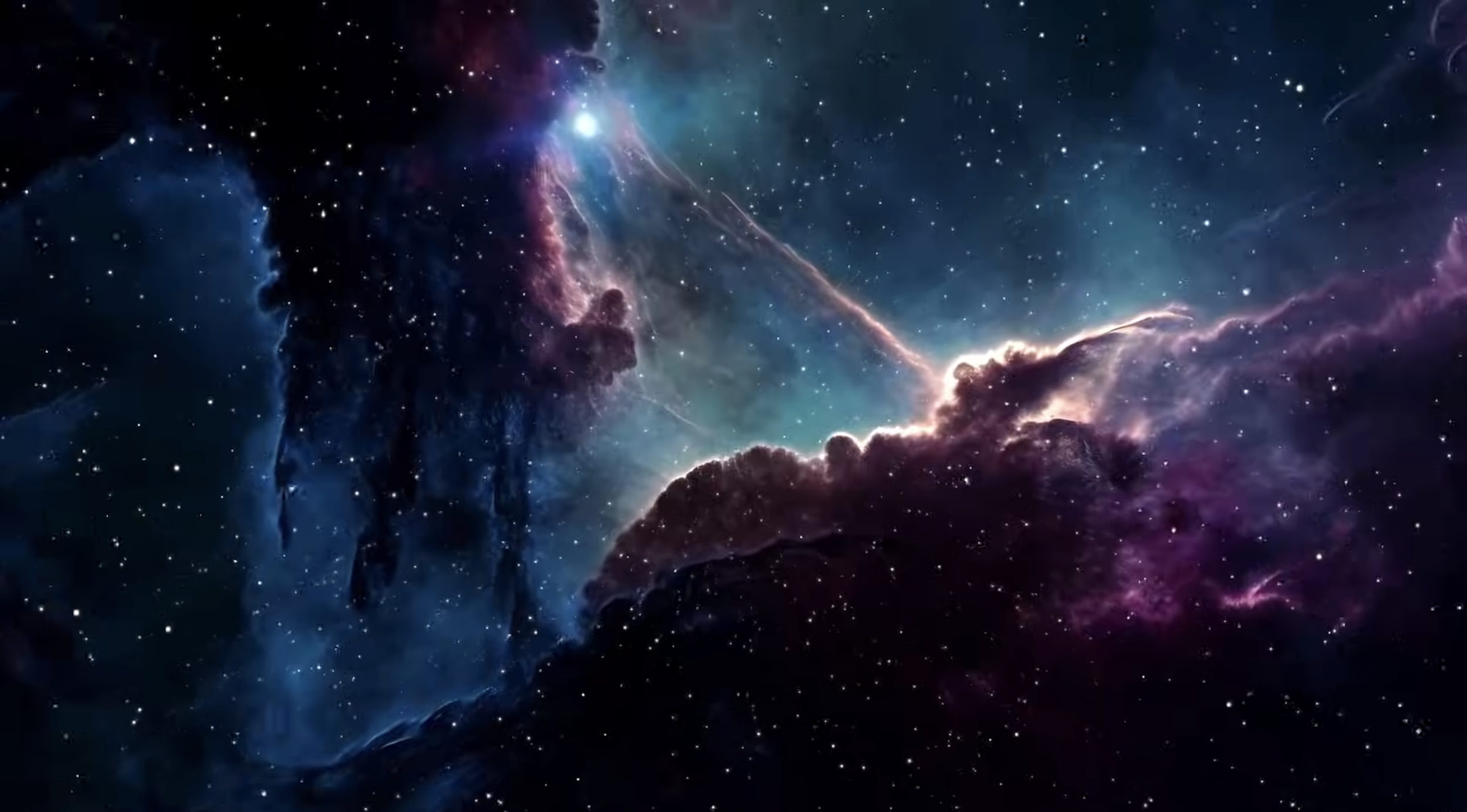
Vast cosmic consciousness
Other worlds and dimensions
The presence of a cosmic being felt everywhere
Profound love, bliss, and deep knowing
From the perspective of those around him, he remained unresponsive for three days. For him, the experience unfolded in a timeless instant. This was his first meditation and his first experience of deep samadhi, a state he had not known existed.
From this experience flows an essential teaching:
Life itself is continuously offering experience, yet we stop noticing its wonder.
According to Paramahamsa, modern life dulls our sense of awe. We become serious, rigid, and overly identified with the mind. Children, by contrast, experience God naturally through curiosity and openness.
Returning to wonder begins with slowing down, observing nature, perceiving beauty, and allowing the mind to rest. When the mind becomes quiet, the sacred reveals itself in even the simplest moments.
Suffering, Karma, Intuition, and the Courage to Be Yourself
Paramahamsa Vishwananda emphasizes that spiritual realization does not remove pain from life. Great saints experienced profound suffering, loss, and hardship. What changes is how suffering is met.
His guidance is compassionate and practical:
Pain is part of human life
Suffering increases when we cling to experiences
Healing happens when we allow life to move through us
True healing does not come from repeatedly reliving wounds. It arises when we become observers and allow experiences to settle naturally.
The same wisdom applies to failure. Failure is not a punishment, it is experience. When identity is not built around it, failure becomes wisdom and strength.
He also speaks clearly about intuition and dharma:
True direction arises from intuitive knowing combined with deep feeling
The first impulse is often the clearest
Overthinking pulls us away from inner guidance
Intuition is not imagination; it is a deeper intelligence guiding each person uniquely.
Underlying all of this is karma and reincarnation. Paramahamsa Vishwananda explains that consciousness has always existed. Experiences leave energetic imprints, which is why certain places, people, or moments feel strangely familiar. Life repeatedly offers opportunities to reconnect with these imprints so that growth can continue.
Ultimately, life’s purpose is to remember our divine essence beyond form.
Key Takeaways
Spiritual awakening unfolds through direct experience, not belief
Atma is a living divine spark present in all beings
Deep meditation reveals wonder already present in life
Pain is unavoidable; suffering depends on how we relate to it
Healing requires allowing experiences to move through us
Failure becomes wisdom when identity is released
Intuition guides dharma more clearly than the thinking mind
Karma and memory connect us across lifetimes
Being yourself requires courage, but it leads to freedom

Conclusion
Paramahamsa Vishwananda’s story is not shared to inspire belief in miracles, but to invite remembrance, the remembrance of who we truly are beneath roles, expectations, and fear.
Spiritual life is not something we achieve. It unfolds naturally when the heart softens, the mind quiets, and we dare to live authentically.
As Mahavatar Babaji’s question continues to echo:
Who are you beyond the body, beyond the mind, beyond the stories you tell yourself?
When that question is lived rather than answered, transformation arises on its own.
Related Resources
🌿 Join The Circle → inspiredevolution.com/circle
Weekly, live guided meditations, Q&As with podcast guests, and community connection. Join the movement today.
📚 Explore Dr. Suhas Kshirsagar’s teachings → ayurvedichealing.net
Learn more about Ayurvedic lifestyle medicine and personalized healing approaches.
🌀 Ground Yourself Naturally → Shop the full Earthing® catalog and use code INSPIRE to save 10%.
Stay Inspired, Keep Evolving,
Amrit

did you enjoy this episode?
please leave a review on


